

Brain Stroke Recovery After Treatment is a gradual process that can vary significantly from one person to another. Some stroke survivors regain many of their abilities within weeks, while others may need months or longer-term rehabilitation. The recovery journey depends on the type and severity of stroke, the area of the brain affected, how quickly treatment was started, the patient’s general health, and the rehabilitation received afterward.
A stroke happens when blood supply to part of the brain is interrupted or when a blood vessel bleeds. Because brain cells require a continuous supply of oxygen and nutrients, stroke is a medical emergency. Once the immediate danger has been addressed, the focus shifts toward restoring function, preventing complications and reducing the risk of another stroke.
For families researching Brain Stroke Recovery After Treatment, knowing what to expect can make the recovery journey easier to understand. Medical follow-up, medicines, rehabilitation, healthy lifestyle changes and emotional support can all play important roles.
Stroke Symptoms, Causes and Diagnosis
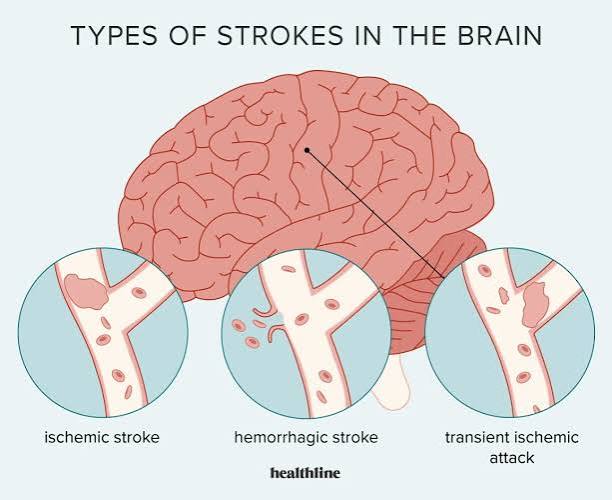
Understanding the original stroke is an important part of Brain Stroke Recovery. Stroke is generally classified as either ischemic or hemorrhagic.
Symptoms of a Stroke
Stroke symptoms usually appear suddenly. Common warning signs include:
- Weakness or numbness of the face, arm or leg, especially on one side
- Difficulty speaking or understanding speech
- Sudden vision problems
- Difficulty walking or maintaining balance
- Dizziness or loss of coordination
- Confusion
- Sudden severe headache, particularly with hemorrhagic stroke
- Difficulty swallowing
- Loss of consciousness in severe cases
The FAST method can help identify common stroke symptoms:
- F – Face: One side of the face may droop.
- A – Arms: One arm may become weak or numb.
- S – Speech: Speech may become unclear or difficult to understand.
- T – Time: Emergency medical care should be sought immediately.
Even if symptoms disappear after a short period, urgent medical evaluation is important because they may indicate a transient ischemic attack.
Causes and Risk Factors
An ischemic stroke usually results from a blood clot or narrowing/blockage in an artery supplying the brain. A hemorrhagic stroke occurs when a blood vessel ruptures and causes bleeding.
Important risk factors include:
- High blood pressure
- Diabetes
- High cholesterol
- Smoking
- Obesity
- Physical inactivity
- Certain heart conditions, including atrial fibrillation
- Previous stroke or TIA
- Increasing age
- Excessive alcohol consumption
- Certain blood vessel disorders
Controlling these factors is an important part of long-term recovery and secondary stroke prevention.
Diagnosis
Doctors use neurological assessment and imaging to identify the type, location and severity of a stroke. Depending on the situation, investigations may include:
- CT brain scan
- MRI brain
- CT angiography
- MR angiography
- Cerebral angiography
- Blood tests
- ECG and cardiac investigations
Imaging is particularly important because treatment for an ischemic stroke is different from treatment for a hemorrhagic stroke.
Stroke Treatment and Brain Stroke Rehabilitation
Brain Stroke Recovery After Treatment is influenced by the treatment provided during the emergency phase and the patient’s response afterward.
Emergency Stroke Treatment
For eligible patients with an acute ischemic stroke caused by a large blood-vessel blockage, mechanical thrombectomy may be performed. This is a minimally invasive endovascular procedure designed to restore blood flow by removing the clot from the blocked artery.
During thrombectomy, a catheter is guided through the blood vessels toward the affected brain artery. Specialized devices can then be used to retrieve the clot and restore circulation.
Not every stroke patient is suitable for thrombectomy. Doctors consider factors such as the type of stroke, location of the blockage, brain imaging, time since symptoms began or the patient was last known well, and overall medical condition.
Other patients may receive intravenous thrombolytic treatment when medically appropriate. Hemorrhagic strokes require a different treatment strategy depending on the source and severity of bleeding.
What Is Brain Stroke Rehabilitation?
Brain Stroke Rehabilitation is a structured process designed to help a stroke survivor regain function and independence.
Rehabilitation may include several specialists working together.
Physiotherapy
Physiotherapy can help improve:
- Muscle strength
- Balance
- Walking
- Coordination
- Mobility
- Muscle control
Exercises are selected according to the individual’s physical abilities and recovery goals.
Occupational Therapy
Occupational therapists help patients relearn everyday activities such as:
- Dressing
- Eating
- Bathing
- Writing
- Using household objects
- Performing personal-care activities
The objective is to increase independence and safety.
Speech and Language Therapy
Stroke can affect speech, communication and swallowing. Speech-language therapy can help address problems such as difficulty speaking, understanding language or swallowing.
Cognitive Rehabilitation
Some stroke survivors experience changes in:
- Memory
- Attention
- Concentration
- Problem-solving
- Decision-making
Cognitive rehabilitation can help patients develop strategies for managing these difficulties.
Psychological Support
Depression, anxiety, frustration and emotional changes can occur after stroke. Addressing mental and emotional wellbeing is therefore an important part of comprehensive rehabilitation.
Brain Stroke Recovery Timeline, Benefits and Long-Term Care
For many families, Brain Stroke Recovery After Treatment raises one major question: “How long will recovery take?”
There is no universal timeline. Recovery depends on the patient’s individual circumstances.
What to Expect During Recovery
First days to weeks: The medical team focuses on stabilizing the patient, preventing complications and starting rehabilitation when it is medically safe.
First few months: Many patients experience substantial functional improvement during this period. Regular physiotherapy, occupational therapy and speech therapy may be recommended.
Beyond the first few months: Improvement can continue, although the rate may become slower. Continued rehabilitation and home-based exercises may remain useful.
Some people recover most of their independence, while others may have lasting physical, communication or cognitive difficulties.
Benefits of Structured Rehabilitation
Appropriate rehabilitation may help a patient:
- Improve movement and mobility
- Build strength
- Improve balance
- Increase independence
- Improve speech and communication
- Address swallowing difficulties
- Develop strategies for cognitive problems
- Adapt to physical limitations
- Return to appropriate daily activities
The goal is not simply to make a patient physically stronger. Rehabilitation aims to help the person achieve the highest possible level of safe and meaningful independence.
Brain Stroke Recovery and Prevention of Another Stroke
Recovery and prevention need to happen together.
Patients may be advised to:
- Take prescribed medicines consistently
- Monitor blood pressure
- Manage diabetes and cholesterol
- Stop smoking
- Follow appropriate dietary recommendations
- Maintain physical activity according to medical advice
- Attend follow-up appointments
- Maintain a healthy weight
- Manage other identified stroke risk factors
Family members should also learn how to recognize the warning signs of another stroke.
Comparison: Recovery After Ischemic vs Hemorrhagic Stroke
| Feature | Ischemic Stroke | Hemorrhagic Stroke |
| Main cause | Blood vessel blockage | Blood vessel rupture and bleeding |
| Emergency treatment | May include thrombolysis or thrombectomy in selected patients | Focuses on controlling bleeding, pressure and underlying cause |
| Rehabilitation | Often required | Often required |
| Recovery | Depends on brain injury and treatment response | Depends on bleeding severity and affected brain area |
| Prevention | Risk-factor management and prescribed medicines | Blood-pressure control and management of the underlying cause |
Every patient requires an individualized treatment and rehabilitation plan.
About Dr. Dilip Kumar and His Services
For patients seeking neurovascular and interventional treatment in Kannur, Dr. Dilip Kumar is associated with Aster MIMS Kannur. The hospital’s Neurosciences Centre provides comprehensive neurological and neurosurgical care, including hyperacute stroke management, thrombolysis and mechanical thrombectomy.
The hospital also lists endovascular services for cerebrovascular disorders, including DSA, coiling, stenting and mechanical thrombectomy.
Aster MIMS Kannur’s rehabilitation services include physiatrists, physiotherapists, occupational therapists and speech-language pathologists working with patients recovering from stroke and other neurological conditions.
Dr. Dilip Kumar’s neurointerventional practice can be relevant for patients requiring specialist evaluation of certain blood-vessel-related brain conditions and endovascular procedures. The appropriate treatment depends on the patient’s imaging, diagnosis, medical history and clinical condition.
Frequently Asked Questions About Brain Stroke Recovery
1. How long does Brain Stroke Recovery take?
Recovery time varies considerably. Some patients improve within weeks, while others require rehabilitation for many months or longer. Stroke severity, brain area affected and general health all influence recovery.
2. What is Brain Stroke Rehabilitation?
Brain Stroke Rehabilitation is a multidisciplinary process that helps patients improve movement, communication, cognitive abilities and independence after a stroke.
3. Can a person completely recover from a stroke?
Some stroke survivors recover very well, while others experience long-term disabilities. Early treatment and appropriate rehabilitation can support recovery, but no doctor can guarantee a specific outcome.
4. Is physiotherapy necessary after a stroke?
Physiotherapy is commonly recommended when stroke has affected strength, movement, balance or walking. The type and intensity of therapy should be determined according to the patient’s condition.
5. Can speech problems improve after a stroke?
Yes. Many patients experience improvement with appropriate speech and language therapy. Recovery depends on the location and extent of brain injury and other individual factors.
6. Can a stroke happen again after recovery?
Yes. A previous stroke can increase the risk of another stroke. Managing blood pressure, diabetes, cholesterol and other identified risk factors is important for secondary prevention.
7. What is mechanical thrombectomy?
Mechanical thrombectomy is a minimally invasive emergency procedure used in selected patients with an acute ischemic stroke caused by a large-vessel blockage. It aims to restore blood flow by removing the clot.
8. What role does the family play in recovery?
Family members can support medication adherence, rehabilitation, safe mobility, healthy habits and emotional wellbeing. They should also know the warning signs of another stroke.
9. Can stroke patients return to work?
Some patients can return to work, while others may need modified duties or additional rehabilitation. The decision depends on physical, cognitive and communication abilities and should be discussed with the treating team.
10. When should I consult a neurointerventional specialist?
A neurointerventional specialist may be involved when a patient has certain blood-vessel conditions, such as large-vessel stroke, aneurysm or selected vascular malformations. Acute stroke symptoms always require immediate emergency assessment.
Conclusion
Brain Stroke Recovery After Treatment is a process rather than a single event. Emergency treatment addresses the immediate medical problem, while rehabilitation and long-term care focus on restoring function, preventing complications and helping the patient regain independence.
The recovery experience is different for every person. Some patients make rapid progress, while others require prolonged Brain Stroke Rehabilitation and ongoing support. Consistent therapy, medication adherence, risk-factor management and regular medical follow-up can all contribute to better long-term care.
If you or a family member has experienced a stroke, particularly one caused by a blocked brain artery or another neurovascular condition, specialist assessment can help determine the appropriate treatment and follow-up plan.
Book an Appointment with Dr. Dilip Kumar
If you are looking for specialist neurovascular and interventional care in Kannur, Kerala, you can consider an evaluation with Dr. Dilip Kumar for appropriate stroke and cerebrovascular conditions.
Aster MIMS Kannur provides 24-hour neurological emergency services and lists thrombolysis and mechanical thrombectomy among its stroke services.
Book an appointment with Dr. Dilip Kumar to discuss your stroke diagnosis, imaging reports, treatment options and recovery plan.